
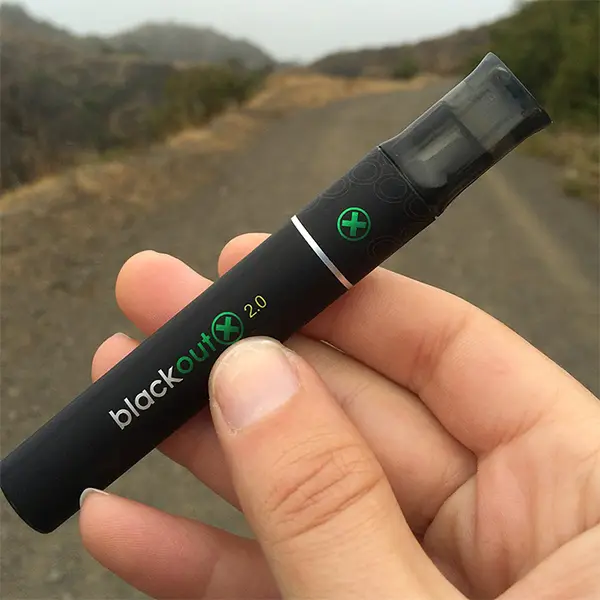
The Growth of Disposable THC Vapes in Australia: Convenience or Sustainability
Since its legalization, Australia’s medical cannabis industry has experienced astonishing growth, the most notable being the introduction of the disposable THC Vapes in Australia. Along with unprecedented ease for patients in need of rapid relief, these devices also pose challenges towards environmentally sound practices in cannabis vaping.
The story becomes even clearer: the number of medical cannabis patients in Australia has seen a growth of 400% in the last 3 years, with disposable thc vape australia products accounting for almost 30% of all THC products being prescribed in 2024. The cannabis therapy patients undergo has seen a paradigm shift, with an increasing number of patients opting for THC due to the ease and discretion unlike the traditional cannabis methods.
The Convenience Revolution of THC Vapes in Australia
Combining the ease of use with sophisticated technology, disposable THC vapes Australia have taken the Australian market by storm. Unlike refillable devices which have to be charged, maintained, and cleaned regularly. They require a degree of advanced technical knowledge, these units are completely self-contained. For elderly patients with arthritis, or patients who are new to complex vaping, this system provides ease of access and a significant barrier-free model to treatment.
Environmental Issues Increase with the use of THC Vapes in Australia
Nonetheless, their rapid expansion throughout Australia has severe environmental considerations that must be tackled immediately. A single abandoned unit contains lithium cells, electronic parts, and plastic. This develops complicated rubbish flows that require special recycling procedures.
Existing data shows that fewer than 15% of throwaway thc vapes end up at proper recycling centers. The majority end up in residential trash, eventually ending up in landfills where their elements last for several decades. The lithium cells are of special alarm because they can release poisonous chemicals into water systems’ groundwater if improperly disposed of. The amount of trash generated is astounding. With 50,000+ of these single-use-thin-film THC vapes being purchased each month across Australia. The country has to dispose of approximately 600,000 used products annually. Each of them weighs in around 20 grams, generating 12 tons of special electronic trash that prevailing recycling technologies cannot process efficiently.
Packaging regulations for cannabis add insult to injury. In Australia, it must be tamper-evident, child-resistant, and therefore often doubles the material footprint of every device. Although such requirements are justified for safety reasons, they greatly enhance the environmental cost of disposal.
Solutions and innovations result.
Innovative businesses meet concerns for sustainability with creative solutions that retain convenience while delivering reduced ecological footprint. Refillable vapor products, with designs facilitating simple cartridge replacement. This offers convincing transitional solutions. Certain producers currently provide take-back programs, offering paid shipping labels to send used products for appropriate recycling. These programs, while still restricted in number, show recognition of ecological responsibility on the part of the industries. Australian authorities are looking into models of extended producer responsibility that would require manufacturers to finance proper recycling and disposal systems. Similar programs in European markets have better reduced electronic waste while still promoting product availability. Biodegradable components are still another positive innovation. Several companies are exploring hemp-plastics and reusable metal to create items. These technologies are still in early developmental stages.
Balancing Progress and Responsibility
The discovery of one time use disposable THC vape Pen Australia shows us the societal trends around ease consumption. Australia’s commitment to environmental protection requires coming up with solutions that enable patient access and equally address long term availability.
Education is very important. Many users do not know how to dispose of THC vapes, shoes, or other disposable items or how to access recycling programs. Industry-sponsored education programs that build consumer trust in sustainability could help achieve much higher recycling participation.
Hybrids that combine convenience and environmental mindfulness will probably dominate the future. With new technology, evolving regulations, and the improvement of a sustainable lightweight thc vape pen, Australia will also be able to meet the needs of patients and the planet.